Explore the spacey things
Asteroids, meteor showers, comets, moons, the Sun and famous stars — tap any one to see a spinning 3D view and its story.
| VIEW | NAME | TYPE | SIZE | DISTANCE / WHEN | DISCOVERED | FUN FACT |
|---|---|---|---|---|---|---|
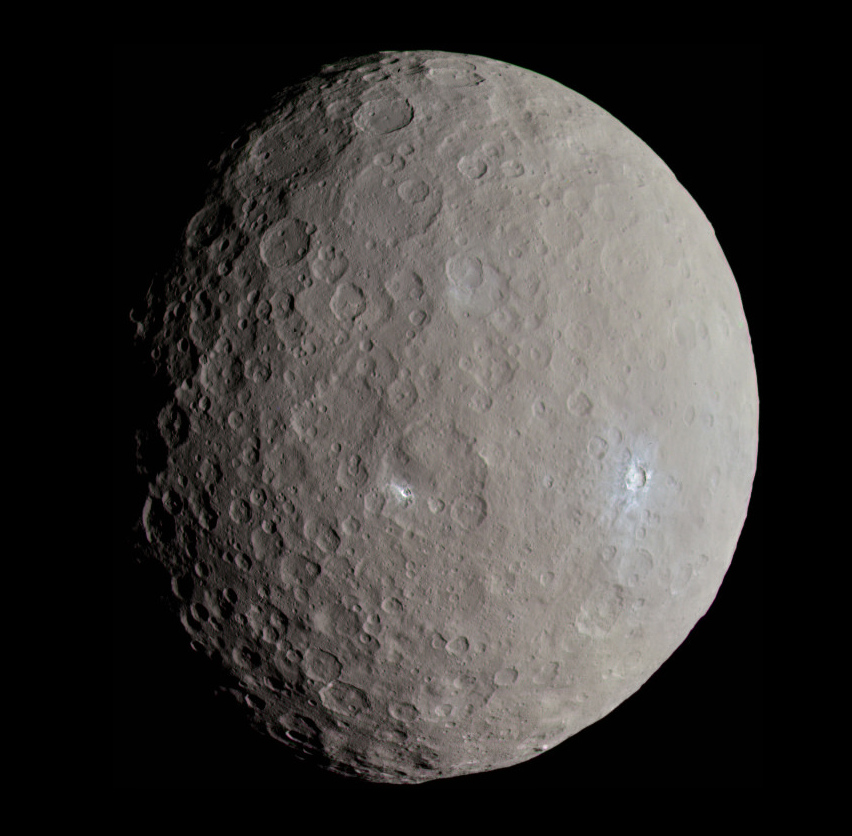 | Ceres | Dwarf planet | 940 km wide | 2.77 AU (Main Belt) | 1801, Giuseppe Piazzi | The biggest object in the asteroid belt — and it hides salty water underground. |
 | 4 Vesta | Asteroid | 525 km wide | 2.36 AU | 1807, Heinrich Olbers | So bright you can spot it with just your eyes on a dark night. |
 | 2 Pallas | Asteroid | 512 km wide | 2.77 AU | 1802, Heinrich Olbers | It orbits at a steep tilt, like a coin rolling sideways through the belt. |
 | 10 Hygiea | Asteroid | 434 km wide | 3.14 AU | 1849, Annibale de Gasparis | Almost perfectly round — it nearly counts as a dwarf planet. |
 | 16 Psyche | Asteroid | 226 km wide | 2.92 AU | 1852, Annibale de Gasparis | Made mostly of metal — a NASA spacecraft is on its way to visit. |
 | 433 Eros | Asteroid | 16.8 km long | 1.46 AU (near-Earth) | 1898, Carl Witt | The first asteroid a spacecraft ever landed on (NEAR Shoemaker, 2001). |
 | 25143 Itokawa | Asteroid | 535 m long | 1.32 AU | 1998, LINEAR survey | A flying rubble pile — Japan's Hayabusa brought grains of it home. |
 | 101955 Bennu | Asteroid | 490 m wide | 1.13 AU | 1999, LINEAR survey | OSIRIS-REx grabbed a sample in 2020 and dropped it in the desert in 2023. |
 | 162173 Ryugu | Asteroid | 900 m wide | 1.19 AU | 1999, LINEAR survey | Shaped like a spinning top; Hayabusa2 even shot it to make a crater. |
| 99942 Apophis | Asteroid | 370 m wide | 0.92 AU | 2004, Kitt Peak | It will fly closer than our TV satellites in 2029 — but it will miss us. | |
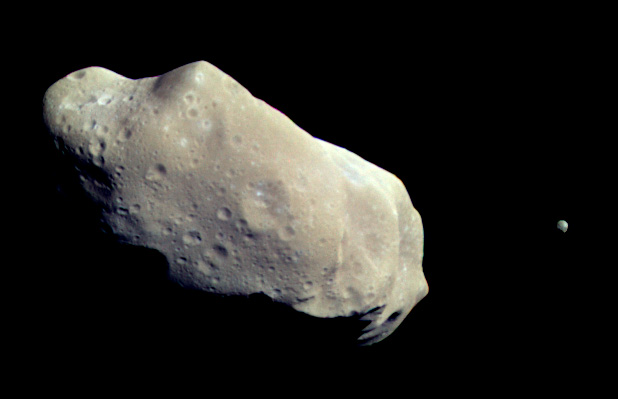 | 243 Ida | Asteroid | 31 km long | 2.86 AU | 1884, Johann Palisa | The first asteroid found to have its own tiny moon, Dactyl. |
 | Dimorphos | Asteroid | 160 m wide | moon of Didymos | 2003 | NASA's DART crashed into it to prove we can nudge an asteroid away. |
 | Perseid Meteor Shower | Meteor | ~100 meteors/hour | Peaks 12–13 August | Comet Swift-Tuttle dust | Summer's best fireworks — grains of comet dust burning 80 km up. |
 | Leonid Meteor Shower | Meteor | 10–15/hour (storms rarely) | Peaks 17–18 November | Comet Tempel-Tuttle dust | Every 33 years it can turn into a storm of thousands per hour. |
 | Geminid Meteor Shower | Meteor | ~120 meteors/hour | Peaks 13–14 December | Asteroid 3200 Phaethon debris | The only big shower made by an asteroid, not a comet. |
| Quadrantid Meteor Shower | Meteor | ~110/hour, short peak | Peaks 3–4 January | Asteroid 2003 EH1 | The peak lasts only a few hours — blink and you miss it. | |
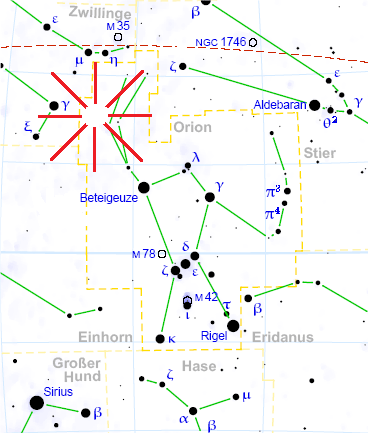 | Orionid Meteor Shower | Meteor | ~20/hour | Peaks 21 October | Halley's Comet dust | You are watching bits of Halley's Comet burn up. |
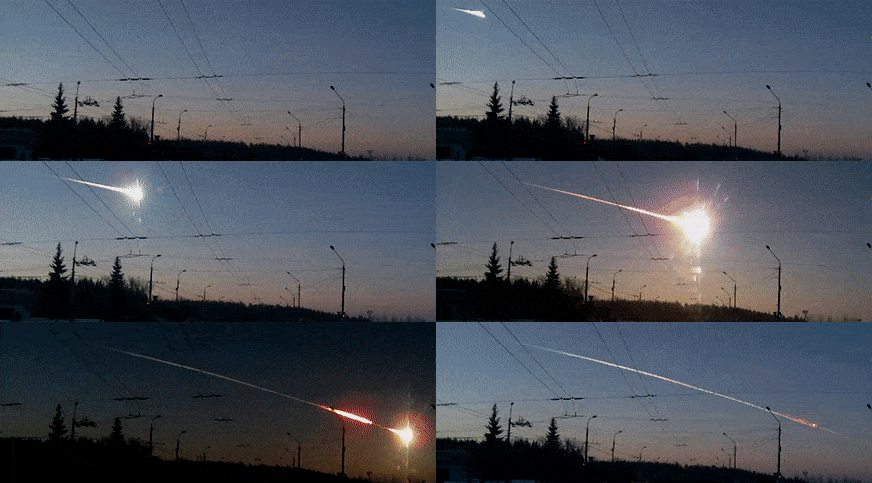 | Chelyabinsk Meteor | Meteor | 20 m rock | Fell over Russia, 2013 | Seen by everyone | It exploded in the sky with 30 times the energy of an atomic bomb. |
 | Hoba Meteorite | Meteor | 60 tonnes of iron | Namibia, found 1920 | A farmer's plough hit it | The heaviest meteorite ever found — too heavy to ever move. |
 | Halley's Comet | Comet | 15 km nucleus | Returns every 76 years | 1705, Edmond Halley | Next visit: 2061. Your grandparents may have seen it in 1986. |
 | Comet NEOWISE | Comet | 5 km nucleus | Visited 2020 | 2020, NEOWISE telescope | Its dusty tail was visible to the naked eye for weeks. |
 | 67P/Churyumov–Gerasimenko | Comet | 4.3 km, rubber-duck shaped | Orbit 6.5 years | 1969 | Rosetta orbited it and dropped the Philae lander on its surface. |
 | The Sun | Star | 1,392,700 km wide | 150 million km (1 AU) | Known forever | A ball of hot plasma so big that 1.3 million Earths fit inside it. Surface: 5,500 °C, core: 15 million °C. |
 | The Moon | Moon | 3,474 km wide | 384,400 km | Known forever | It drifts 3.8 cm farther from Earth every year and controls our tides. |
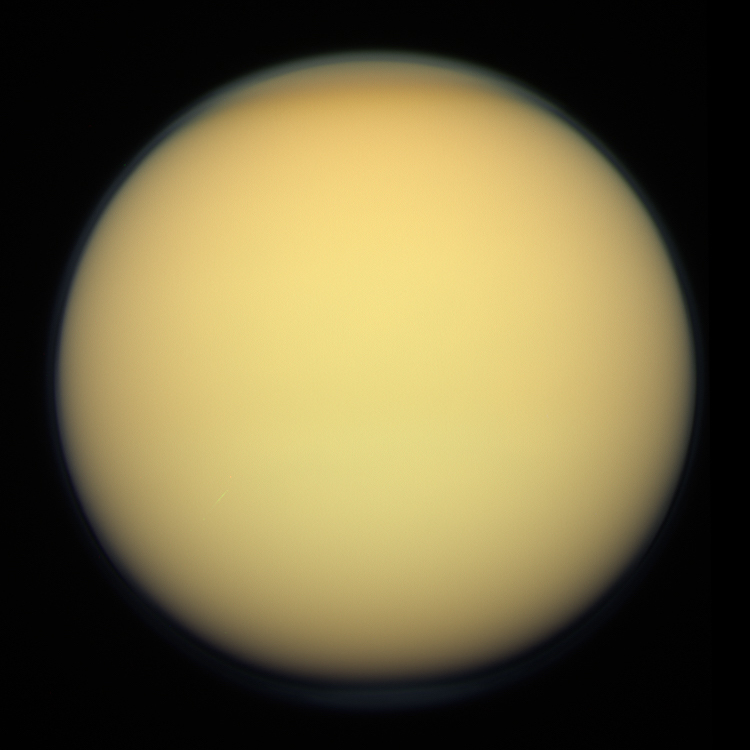 | Titan (Saturn's moon) | Moon | 5,150 km wide | 1.2 billion km | 1655, Christiaan Huygens | It rains liquid methane there and has lakes and rivers, just not of water. |
 | Europa (Jupiter's moon) | Moon | 3,122 km wide | 628 million km | 1610, Galileo Galilei | An ice shell hides a salty ocean with more water than all of Earth's seas. |
 | Pluto | Dwarf planet | 2,377 km wide | 5.9 billion km | 1930, Clyde Tombaugh | It has a giant heart-shaped glacier of frozen nitrogen. |
 | Sirius | Star | 1.7× the Sun | 8.6 light-years | Known since ancient times | The brightest star in our night sky, and it has a tiny white-dwarf partner. |
 | Betelgeuse | Star | 764× the Sun | ~550 light-years | Known since ancient times | A red supergiant so huge it would swallow Jupiter's orbit — it will explode one day. |